
All About Sedation Dentistry: Comfort Options for Anxious Patients
February 2, 2026For many patients, dental anxiety isn’t just nervousness—it can trigger physical stress, increased heart rate, and tension that make even routine visits overwhelming. What’s rarely discussed is how modern sedation dentistry goes beyond masking fear: it allows the body and mind to relax while the dentist works efficiently, making treatment safer and more precise. Understanding the different sedation options can empower anxious patients to access care without dread and transform their dental experience into one of comfort and control.
Understanding Dental Anxiety and Its Impact
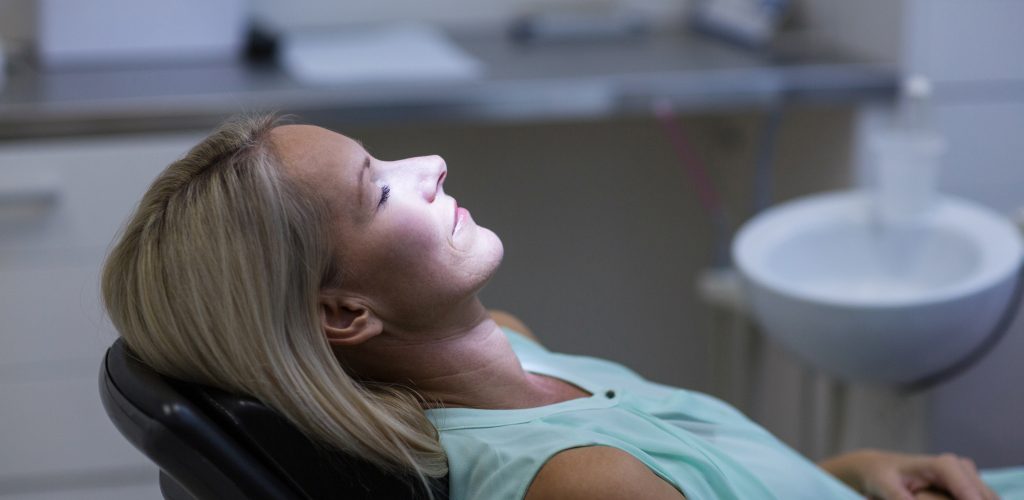
Dental anxiety goes far beyond simple nervousness; it can trigger a cascade of physical and emotional reactions that affect the entire visit. Increased heart rate, shallow breathing, and muscle tension make it harder for patients to stay still, which can unintentionally prolong procedures. What is seldom discussed is how anxiety can actually amplify pain perception, making even routine cleanings feel uncomfortable. For some adults, these reactions lead to years of delayed care, contributing to more complex dental problems over time. Recognizing that anxiety is a physiological response—not a personal weakness—is the first step toward managing it. With awareness, patients can explore strategies like sedation dentistry to reduce stress, improve comfort, and maintain long-term oral health.
What Is Sedation Dentistry?
Sedation dentistry is more than just “sleeping through” a dental procedure—it’s a controlled approach to helping patients stay calm, relaxed, and comfortable while remaining safe and responsive. What’s rarely highlighted is how sedation can actually improve precision: when muscles are relaxed and anxiety is reduced, dentists can work more efficiently and accurately. Sedation isn’t one-size-fits-all; it ranges from mild techniques like nitrous oxide to deeper options such as oral or IV sedation, each tailored to the patient’s needs, procedure type, and anxiety level. By addressing both the mind and body, sedation dentistry allows patients to complete necessary care without fear, creating a more positive and manageable dental experience.
Types of Dental Sedation
- Nitrous Oxide (Laughing Gas)
A fast-acting, inhaled sedative that calms nerves almost immediately. What’s often overlooked is how easily it can be adjusted during treatment, allowing patients to stay alert yet relaxed. - Oral Sedation
Pills taken before the appointment produce a drowsy, calm state. Unlike common belief, patients are usually conscious and able to respond, which makes this option versatile for moderate anxiety. - IV Sedation
Delivered directly into the bloodstream, IV sedation works quickly and can be fine-tuned throughout longer or more complex procedures. Rarely discussed is how this method allows dentists to complete multiple treatments in one visit safely.
What to Expect During and After Sedation
During sedation, patients often notice a sense of calm or mild drowsiness, while still being able to respond to instructions if needed. What’s rarely mentioned is how this relaxed state can actually reduce involuntary movements, helping the dentist work more precisely and efficiently. Monitoring devices track vital signs throughout the procedure to ensure safety. After treatment, recovery varies by sedation type—nitrous oxide wears off almost immediately, while oral or IV sedation may leave mild grogginess for a few hours. Patients are typically advised to rest, avoid driving, and follow simple aftercare instructions. Proper preparation and understanding of what to expect can make the experience smoother and far less intimidating.
Benefits of Sedation Dentistry Beyond Anxiety Relief
- Ability to Complete Multiple Procedures in One Visit
One advantage rarely highlighted is that sedation allows dentists to perform several treatments in a single appointment. Patients who might otherwise need multiple visits can have fillings, crowns, or even more complex restorative work done at once, reducing repeated stress and overall time spent in the dental chair. - Improved Treatment Precision
Sedation helps relax jaw muscles and prevent involuntary movements. This quiet, stable environment allows dentists to work more carefully, improving outcomes for procedures that require exactness, such as root canals, implant placements, or cosmetic treatments. - Enhanced Pain Management
Beyond calming anxiety, sedation can reduce perceived discomfort during and after procedures. Patients often report that the combination of relaxation and precise technique results in less soreness and faster recovery than they anticipated. - Support for Patients with Special Needs or Medical Conditions
Individuals with heightened sensitivity, chronic pain, or conditions that make stress physically risky benefit greatly from sedation. It minimizes physiological stress responses, like spikes in blood pressure or heart rate, creating a safer treatment experience. - Encouragement of Consistent Preventive Care
By removing fear barriers, sedation dentistry can help patients stay on schedule with routine exams, cleanings, and early interventions. This proactive approach prevents more serious dental problems, protecting oral health long-term. - Reduction of Psychological Trauma
Many anxious patients carry memories of painful or stressful past dental experiences. Sedation allows for a calm, controlled experience that can gradually reshape perceptions of dental visits, reducing long-term fear and improving overall attitudes toward oral health. - Better Patient Communication and Comfort
Sedated patients are more relaxed and open to instructions, questions, and post-treatment guidance. This can improve adherence to care plans and follow-up recommendations, supporting healthier outcomes beyond the immediate procedure.
How to Decide If Sedation Dentistry Is Right for You
Deciding on sedation dentistry starts with understanding your personal comfort level and medical history. What’s rarely discussed is that even mild anxiety can affect how the body responds during treatment, making sedation a helpful option for many adults, not just those with extreme fear. Consider the type and length of the procedure, your previous dental experiences, and any conditions that could heighten stress, such as heart issues or chronic pain. Asking your dentist about available sedation methods, safety protocols, and recovery expectations can help you make an informed choice. Ultimately, sedation dentistry is a tool to create a calm, controlled environment, ensuring care is both safe and comfortable.
Conclusion
Sedation dentistry offers more than just relief from anxiety—it creates a safer, more comfortable, and efficient dental experience. By helping patients relax, it allows complex procedures to be completed in fewer visits, reduces perceived pain, and encourages consistent preventive care. What’s often overlooked is how it can transform a patient’s overall relationship with dentistry, making visits less stressful and more manageable. If dental anxiety has kept you from receiving the care you need, learning about sedation options can make a real difference. To explore which sedation method might be right for you, visit us or call 602-992-1639 to schedule an appointment and take the first step toward stress-free dental care.