
Is Invisalign Worth It? Pros, Cons, and Who It’s Best For
February 19, 2026Invisalign has become a popular choice for straightening teeth, but its appeal goes beyond aesthetics. What’s rarely discussed is how clear aligners can impact not just appearance, but daily comfort, oral hygiene, and even long-term dental health. Understanding how Invisalign works, who it benefits most, and the trade-offs involved can help patients make a more informed decision. This article explores the pros, cons, and ideal candidates for Invisalign, giving a clear picture of its real-world value.
How Invisalign Works
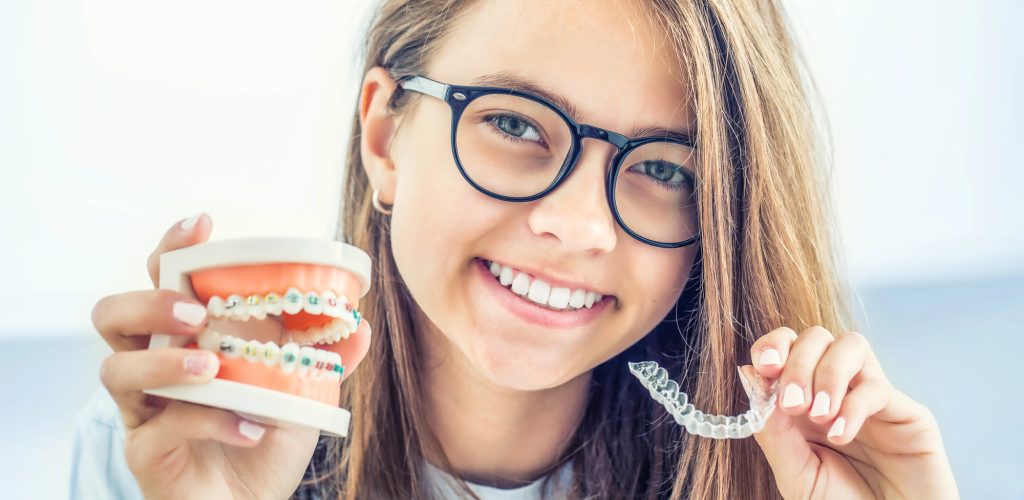
Invisalign straightens teeth using a series of custom-made, clear plastic aligners designed specifically for each patient. What’s rarely highlighted is how digital scanning and 3D modeling create a precise map of tooth movement before treatment even begins, allowing patients to see a virtual preview of their results. Each aligner applies gentle, controlled pressure to shift teeth incrementally, usually over one to two weeks per set. Regular check-ins ensure progress stays on track and adjustments are made if needed. Unlike traditional braces, aligners are removable, which means patients can maintain normal oral hygiene and eat freely. This combination of technology, precision, and flexibility makes Invisalign both discreet and effective for many alignment issues.
Benefits of Invisalign
- Discreet and Nearly Invisible Appearance
One of the most obvious benefits of Invisalign is its clear, barely noticeable design. What’s rarely discussed is how this subtlety impacts confidence: adults and teens alike often feel less self-conscious during work, school, or social events, which can reduce stress related to smiling and speaking. - Improved Oral Hygiene Compared to Braces
Because aligners are removable, patients can brush and floss normally. This helps prevent plaque buildup, tooth decay, and gum problems that are more common with fixed braces. Maintaining clean teeth throughout treatment supports long-term oral health in ways many overlook. - Gentle, Gradual Tooth Movement
Invisalign moves teeth using small, controlled increments, which can reduce the sharp discomfort sometimes associated with traditional braces. Patients often notice less soreness and fewer adjustments, making the process more comfortable overall. - Custom-Tailored Treatment Plans
Using advanced digital scans and 3D modeling, Invisalign allows dentists to plan each patient’s treatment precisely. This level of customization improves predictability of results and can shorten treatment time compared to older orthodontic methods. - Flexibility for Lifestyle and Diet
Aligners are removed for eating, drinking, or special events. Patients rarely need to modify their diet or avoid certain foods, unlike with traditional braces where sticky or hard foods can cause damage. This flexibility supports a more normal daily routine. - Supports Long-Term Oral Health
Straighter teeth aren’t just cosmetic—they are easier to clean and reduce stress on jaws and bite alignment. Invisalign can contribute to healthier gums, less enamel wear, and decreased risk of future dental issues, benefits that extend beyond the duration of treatment. - Reduced Psychological Stress During Treatment
Many patients report feeling less anxious knowing they have a removable, comfortable, and predictable system. This can create a more positive association with dental visits and orthodontic care, which is often overlooked in traditional braces discussions. - Potential for Faster Treatment in Certain Cases
With precise planning and consistent wear, Invisalign can sometimes achieve results faster than expected, particularly for mild to moderate alignment issues. This efficiency minimizes disruption to daily life while still achieving quality results.
The advantages of Invisalign extend beyond appearance, combining comfort, flexibility, and predictability to make orthodontic treatment more accessible and less stressful. By supporting oral health, reducing psychological stress, and accommodating daily life, Invisalign offers a comprehensive solution for those looking to improve their smile efficiently and confidently.
Drawbacks and Considerations
While Invisalign offers many advantages, there are important considerations patients should understand. The success of treatment relies heavily on discipline—aligners must be worn 20–22 hours per day, which can be challenging for some adults and teens. Complex orthodontic issues, such as severe crowding or bite misalignment, may not be fully correctable with Invisalign alone. Some patients experience minor soreness or pressure when switching to a new set of aligners, which can temporarily affect eating and speaking. Additionally, the cost is generally higher than traditional braces, and insurance coverage varies. Understanding these factors helps patients set realistic expectations and commit to consistent use for the best results.
Invisalign vs. Traditional Braces
Invisalign and traditional braces both straighten teeth effectively, but they differ in several subtle ways that are often overlooked. Invisalign’s clear, removable aligners offer discreet treatment and easier oral hygiene, whereas braces are fixed and can trap food, increasing the risk of plaque buildup. Braces may handle complex bite issues more efficiently, but they can cause more frequent soreness and require dietary restrictions. Invisalign allows patients to maintain normal eating habits and provides a predictable digital treatment plan, while braces often rely on manual adjustments. Lifestyle flexibility, comfort, and aesthetic considerations make Invisalign appealing for many adults and teens, though case complexity ultimately determines which option is most effective.
Who Should Consider Invisalign
Invisalign is ideal for patients seeking a discreet, flexible, and comfortable way to straighten their teeth. Adults who want to maintain a professional appearance often benefit from the nearly invisible design. Teens and young adults can also be good candidates, provided they are responsible about wearing the aligners consistently. Patients with mild to moderate alignment issues, such as gaps, minor crowding, or slight bite problems, are most likely to see effective results. What is seldom discussed is that even patients who have previously avoided orthodontic treatment due to social or lifestyle concerns can achieve meaningful improvements with Invisalign, making it a practical choice for those looking for predictable, low-stress orthodontic care.
Conclusion
Invisalign offers a modern, discreet, and flexible alternative to traditional braces, providing benefits that extend beyond aesthetics. From improved comfort and easier oral hygiene to predictable results and minimal lifestyle disruption, it can be an excellent option for adults and teens with mild to moderate alignment issues. However, success depends on commitment and understanding the limitations for more complex cases. If you’re considering straightening your teeth and want to explore whether Invisalign is right for you, take the next step toward a confident smile. Visit us or call 602-992-1639 to schedule an appointment and discuss your personalized treatment options.